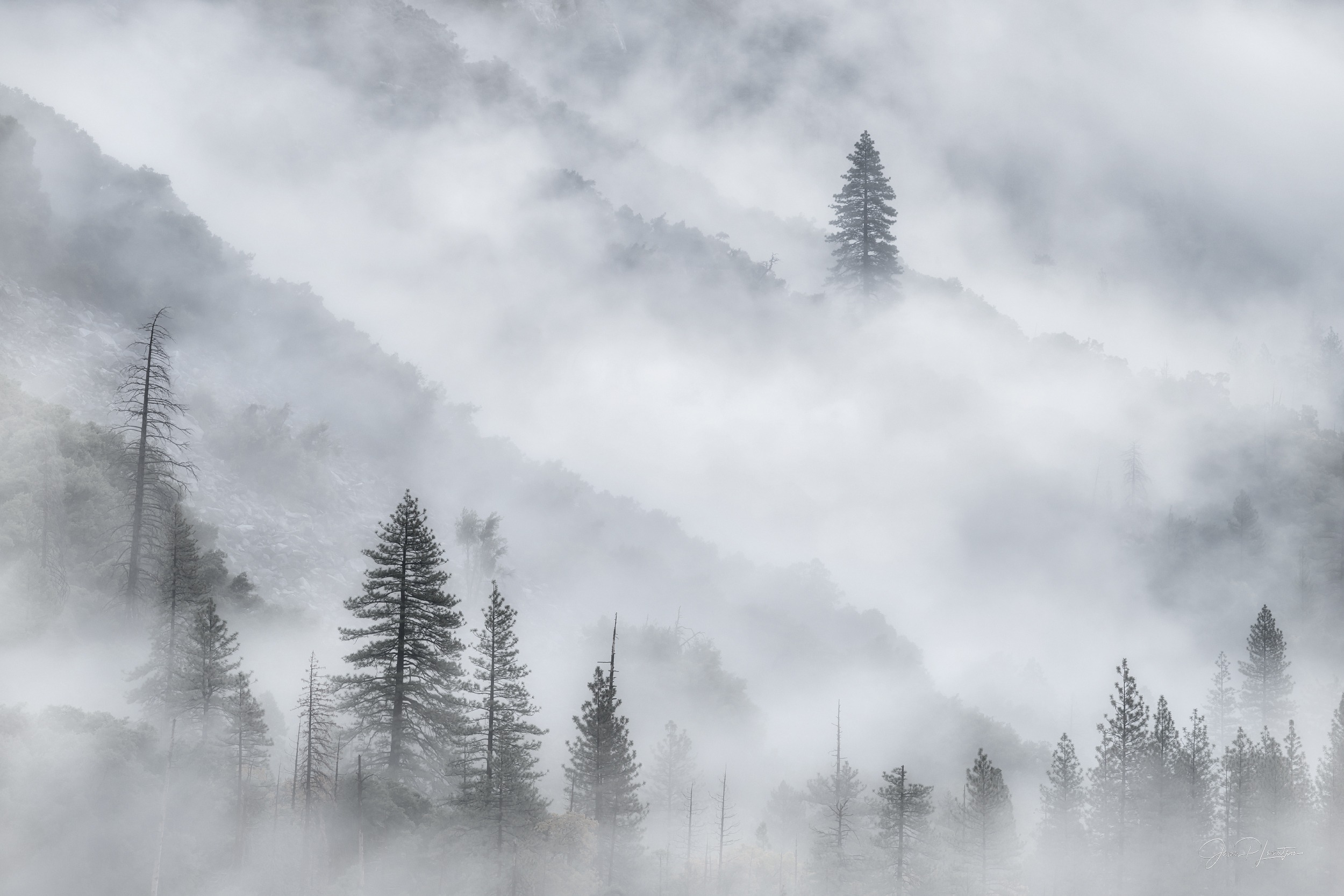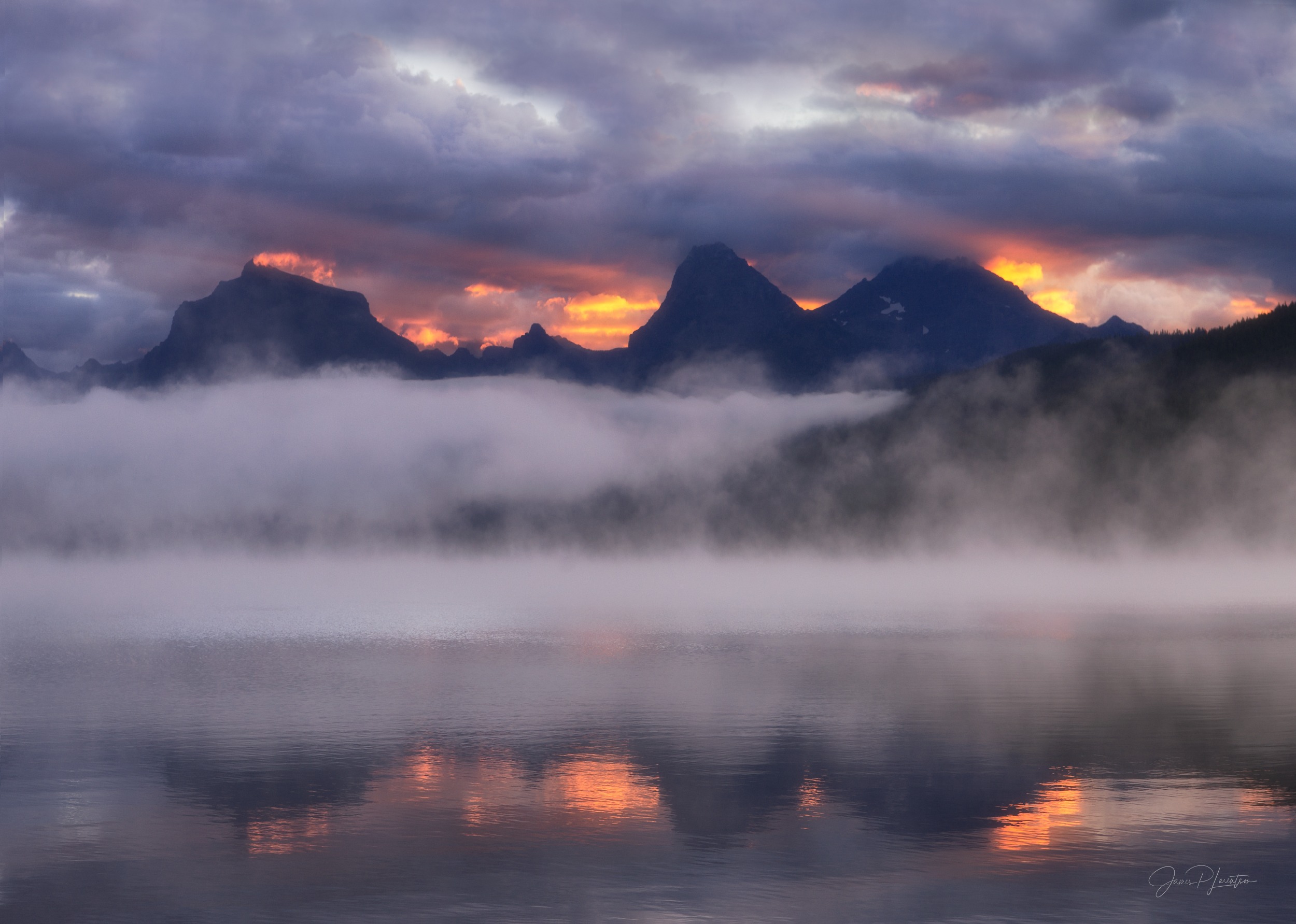
A fog forecast answers one question: is tomorrow worth the alarm? That works the night before a shoot. It's useless when you're booking a trip three months out and need a different answer — when does this place usually come alive?
That's what Fog Seasonality is for. It's a planning view in Fog-Index that turns ten years of sunrise fog history into a simple monthly calendar for every location you save. Peak months, quiet months, at a glance — for anywhere in the world.
The rest of this post is the fun part: why fog has seasons at all, and how to read them like a local.
Why Fog Has a Season
Fog is just air cooled down until it can't hold its water anymore. That part never changes. What changes through the year are the ingredients:
Night length
Long fall and winter nights give the ground hours to cool off. Short summer nights don't.
Sun angle
A high summer sun burns fog off in minutes. A low winter sun lets it hang around all morning.
Moisture
Rain, snowmelt, or a cold ocean current — something has to keep the air and ground wet.
How those three line up decides which fog engine a place runs on — and when.
The Two Big Engines
Textbooks list a dozen fog types, but for planning, two engines do most of the work. They peak at opposite ends of the year, which is why one region can have two totally different fog seasons.
Radiation fog · fall & winter
Classic valley fog. Wet ground, calm air, and a clear night sky that lets the ground's heat escape. Cold air slides downhill, pools in the valley, and fog forms right there. Longer nights and fall rain switch this engine on.
Marine fog · spring & summer
Fog that travels. Warm, moist air blows across cold water and condenses on the way. When inland areas heat up, they pull that fog bank onto the coast. Because wind drives it, it can roll in at noon and shrug off the sun.
There's a third engine that owns the tropics: upslope fog, where wind pushes humid air up a mountainside until it turns to cloud. In the right terrain it's practically a daily event.
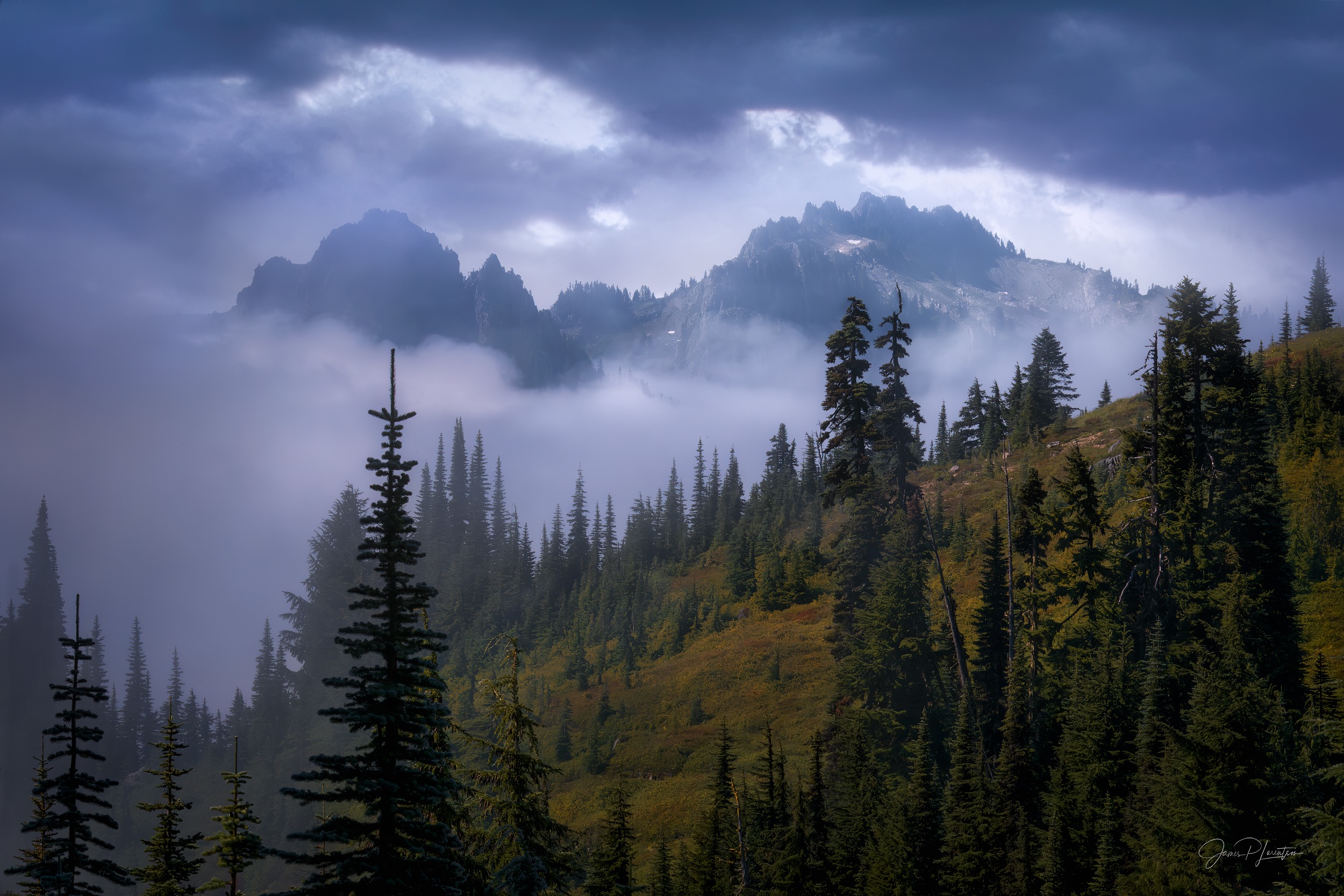
Two Climates, Two Calendars
I shoot the Pacific Northwest year-round, so its rhythms are second nature to me. Then I spent time in Costa Rica — and the cloud forest was the thing I couldn't stop photographing. But I noticed something: all my home instincts for guessing when the fog would show were useless there. Different engine, different clock. That contrast turns out to be the clearest way to see how fog seasons really work.
| Seasonal Driver | Pacific Northwest Temperate · valley + marine engines | Costa Rica Tropical · upslope + wet/dry seasons |
|---|---|---|
Main trigger | Night length & seasonal rain | Wet/dry season shift & trade winds |
Temperature swing | Big — long cold winter nights | Small — barely changes all year |
Summer | Marine fog pushed onto the coast | Daily upslope fog in the mountains |
Fall | Valley fog fills the lowlands | Wet ground + clearing skies in the valleys |
Plan around | Which engine is running that month | Where you are in the wet/dry cycle |
Pacific Northwest — one region, two seasons
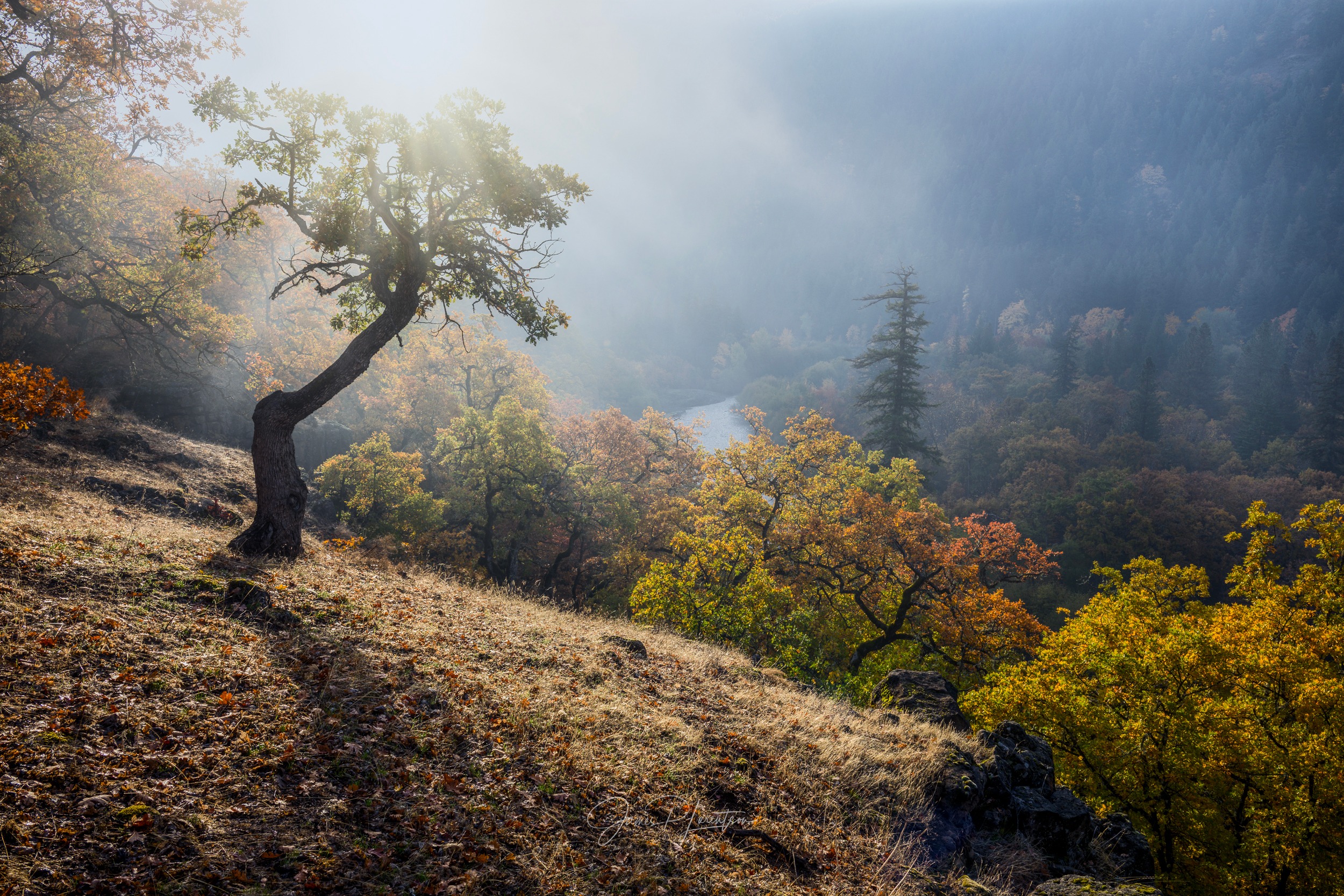
The PNW gives you two fog calendars in one region. Want sea stacks wrapped in mist? Go in summer, when inland heat drags the marine layer onto the beaches. Want the deep valleys and river gorges? Wait for fall. Longer nights, the first rains, and cold air draining off the mountains fill the low country with valley fog.
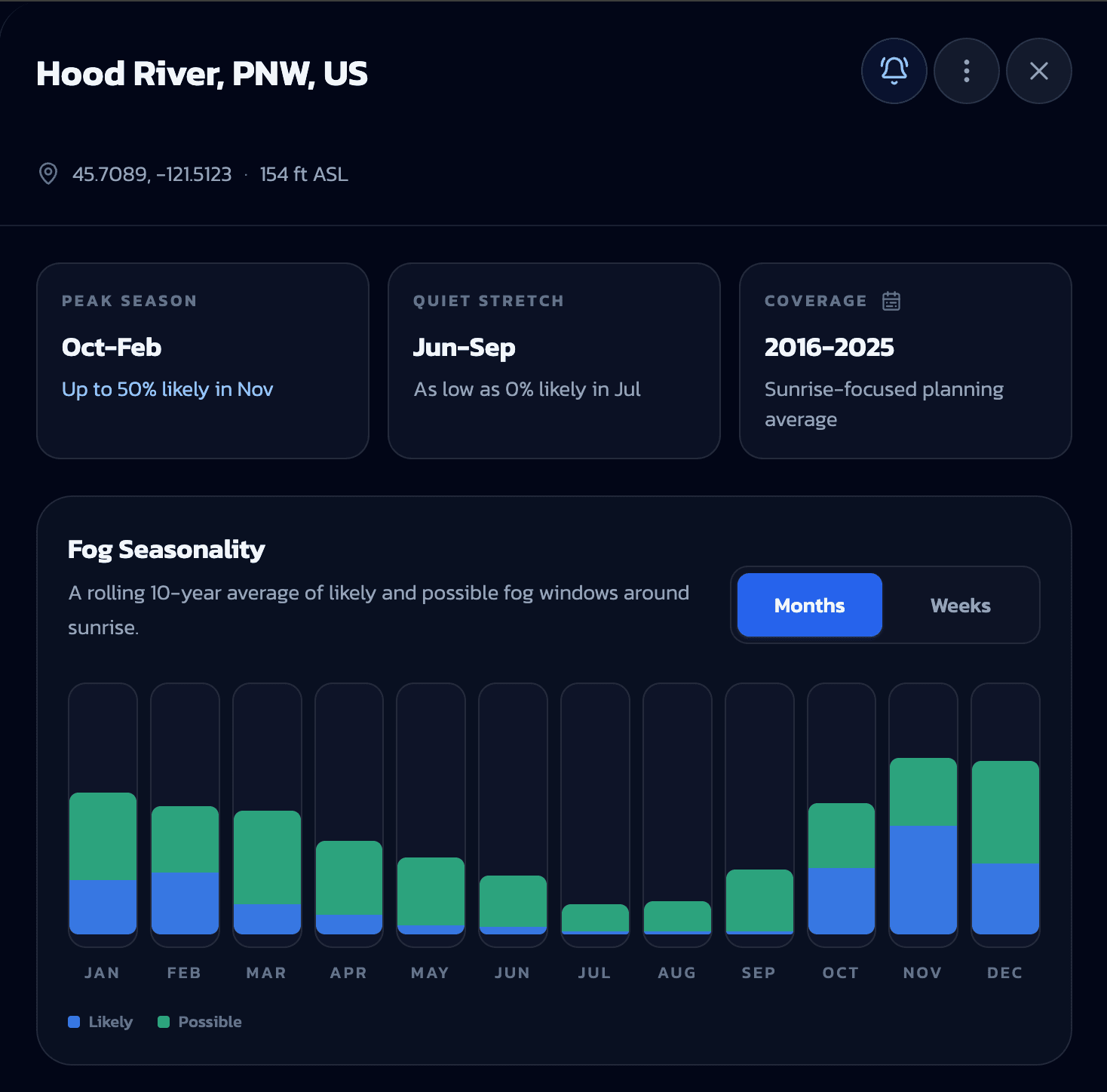
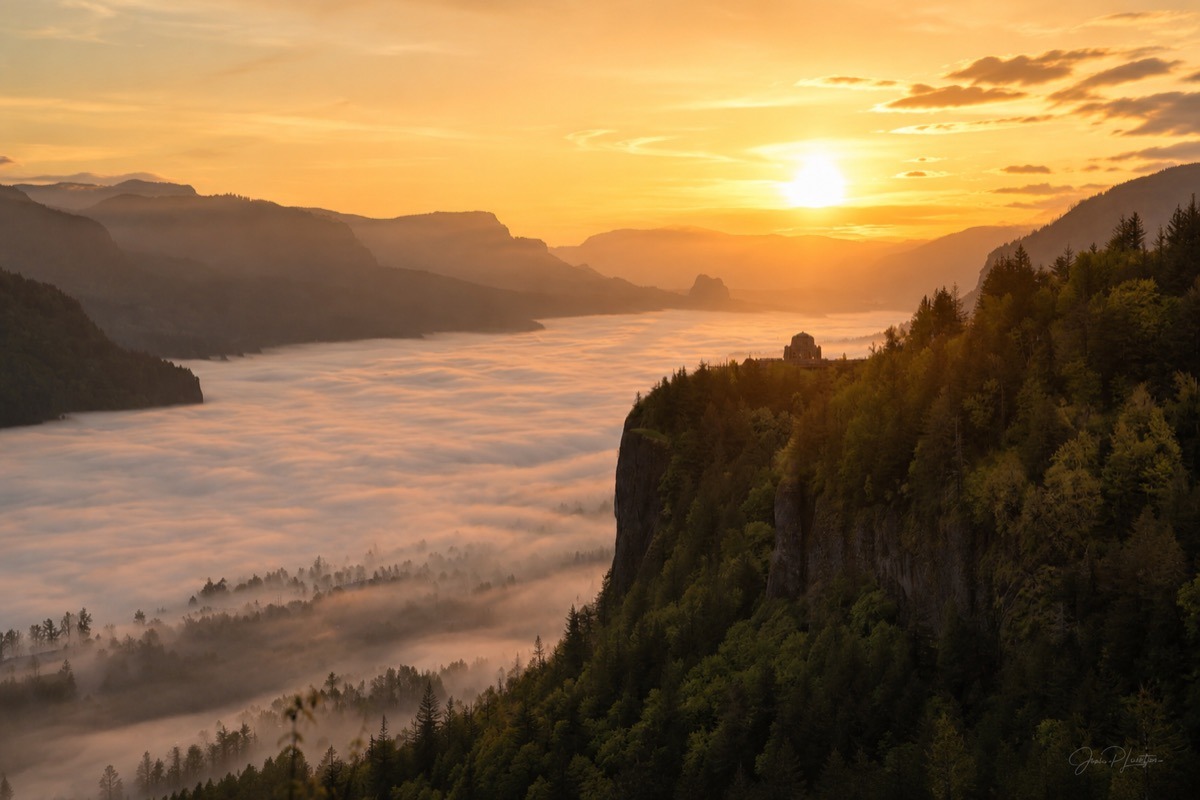
Here's Hood River — a river town I shoot all the time — as Fog Seasonality sees it, next to what its tall November bar looks like from a hillside:
Costa Rica — a different clock entirely
In the tropics, night length and temperature barely move all year. The clock that matters is water: wet season, dry season, and the shoulders in between.
In the cloud forests, trade winds shove warm, saturated air up the slopes almost every day — that's the upslope engine running on repeat. Down in the valleys, fog peaks in the transition months, when the ground is still soaked from the rains but the skies clear enough at night for valley fog to form.
And here's the same tool reading that world, next to the world itself:
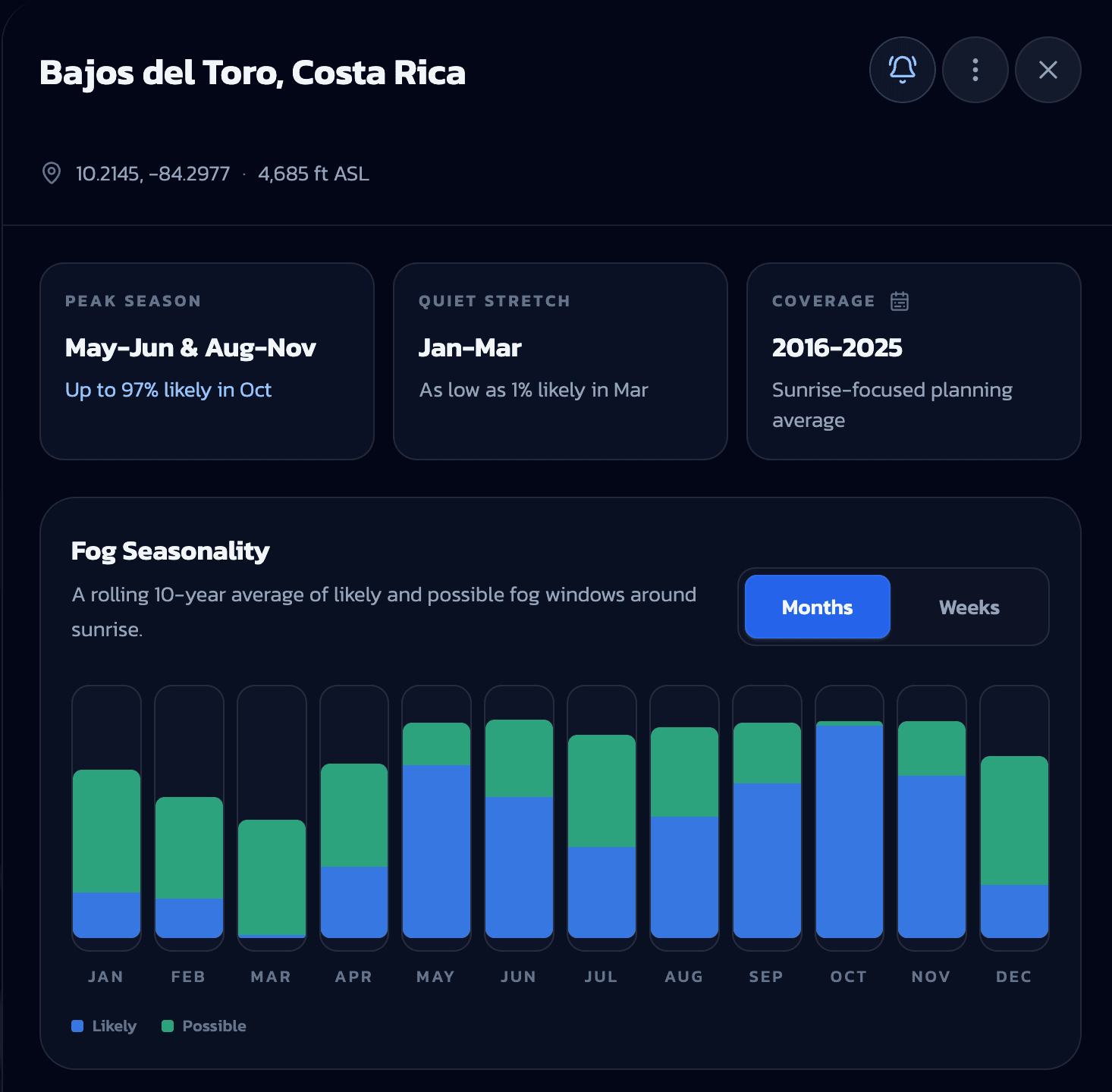
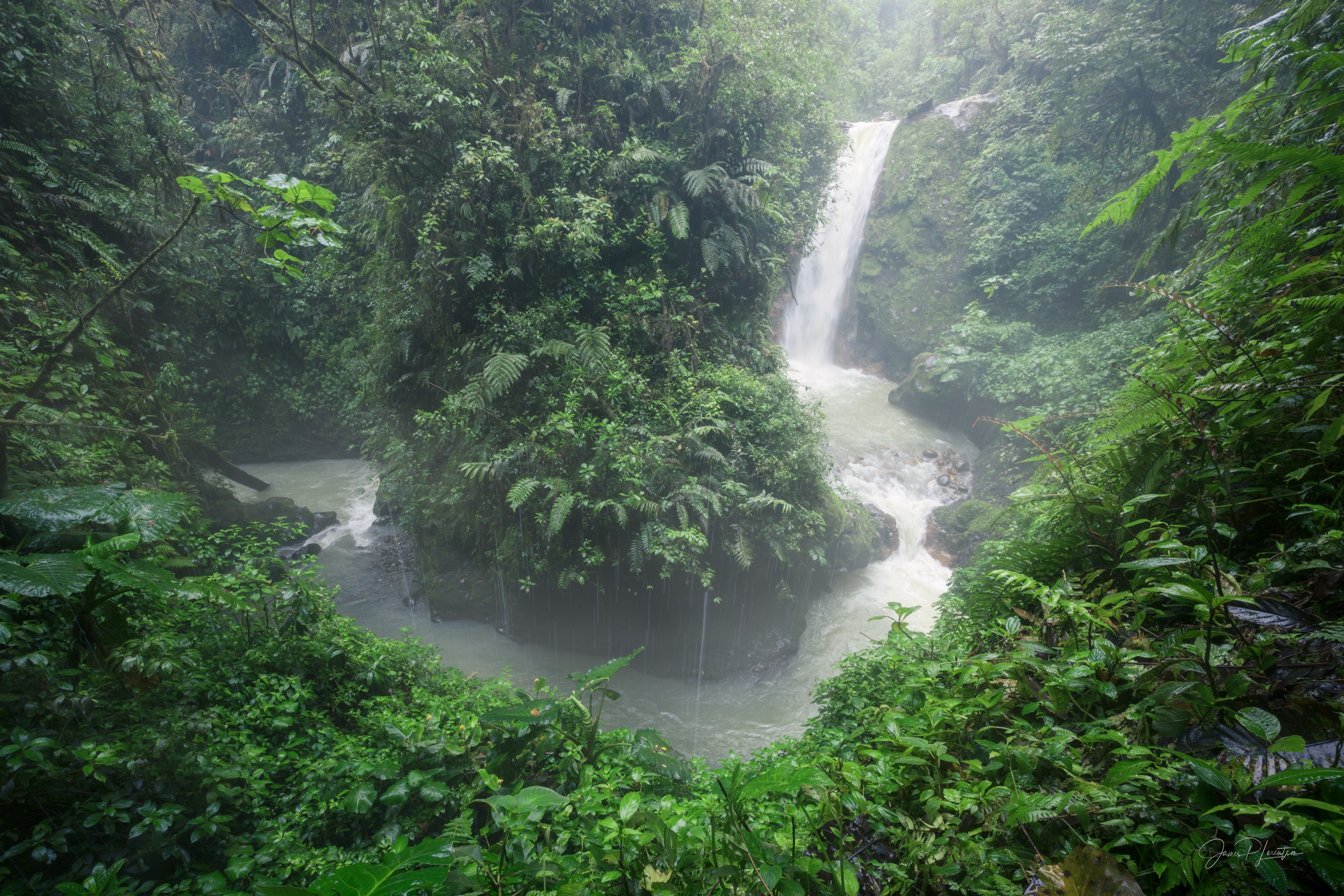
Put the two panels side by side in your head: Hood River's season starts right as Bajos del Toro's winds down, and its silent summer is the cloud forest's busiest stretch. Same physics, opposite calendars — and one chart format that makes them comparable.
A place doesn't have "a fog season." It has as many fog seasons as it has engines — and your job is to know which one you're chasing.
The Three Kinds of Fog Season
Look at enough of these calendars and you start seeing three personalities:
Reliable
Summer marine coasts. The engine runs most mornings for weeks — book the trip with confidence.
Broad tendency
Spring valley mist. Wet ground serves up patchy, gorgeous mornings for months, without locking in any single day. Plan a window, not a date.
Event-driven
First-storm fall fog. A couple of multi-day runs per season, right after the rains arrive — some years none at all. Chase the forecast, not the calendar.
Putting Seasonality to Work
Under the hood, Fog Seasonality is a rolling ten-year average built from the ERA5 family of weather archives, scored by a historical version of the same fog algorithm that powers the live forecast. Stable, explainable, and the same sunrise-window focus — because that's when you're out shooting.
Here's how it changes the way you plan:
Two sorts, two questions
Your saved-locations dashboard can re-rank itself around either question. The switch lives in the Sort control at the top of the dashboard:
Rank locations by historical fog likelihood this month.
Rank locations by their single strongest fog month of the year.
Peak now
"Of everywhere I watch, what's most alive this month?" The list re-orders around the current month — coastal spots float up in July, foggy valleys in November, automatically.
Peak season
"Where's the biggest season, whenever it is?" Locations rank by their single strongest month — scan once and you know which place owns each part of your year.
Both sorts count Likely and Possible mornings together (Likely counts more), so places whose magic is patchy, ephemeral mist still surface instead of hiding behind steadier spots.
And that matters, because the same place in and out of season might as well be two different places:
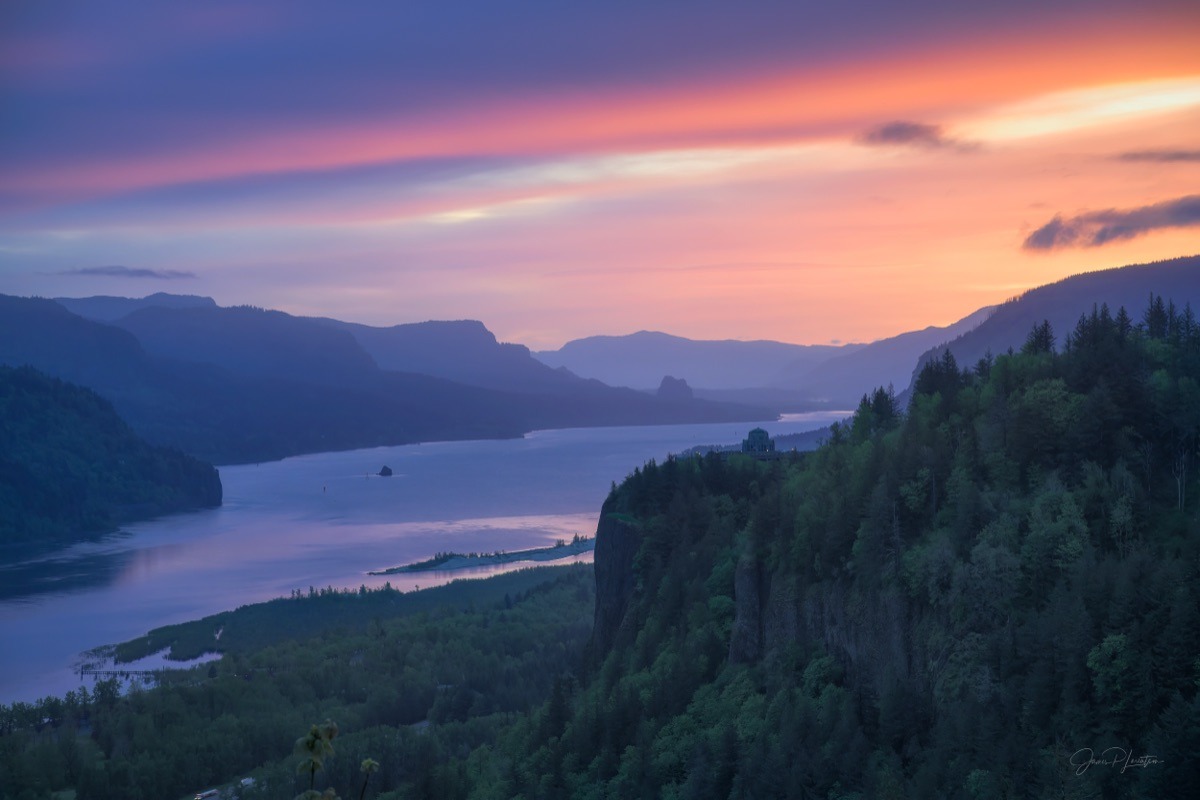
Right side is an illustrative composite — the point is the contrast, not the pixels.
Months at a glance, weeks when it counts
Every saved location's card shows the monthly bars — that's the broad view, great for comparing places. To go deeper, tap the location to open its detail panel (the sidebar on desktop, the drawer on your phone). At the top of the chart, flip the toggle:

Weeks is where trip timing gets real. Monthly averages blur the edges of a season; the weekly view shows exactly when it ramps up and tails off — because the first and last week of the same month can feel like different seasons.
The Workflow
Pick the window with Peak season
Months outSort your saved spots by their strongest month and match the trip to the engine you want — marine summer coast, or valley-fog fall.
Tighten with the weekly view
Weeks outOpen the location's panel and check when the season actually ramps. Book that week — not just the month it's named after.
Switch to the live forecast
The night beforeSeasonality got you to the right place at the right time of year. The forecast decides whether tomorrow's sunrise is worth the alarm.